The Bar Sweatshirt: Why One Word on a Hoodie Made the Whole Internet Lose Its Mind
Okay, so here’s a weird little fashion mystery I fell into a rabbit hole over, and I think you’re going to enjoy it too.
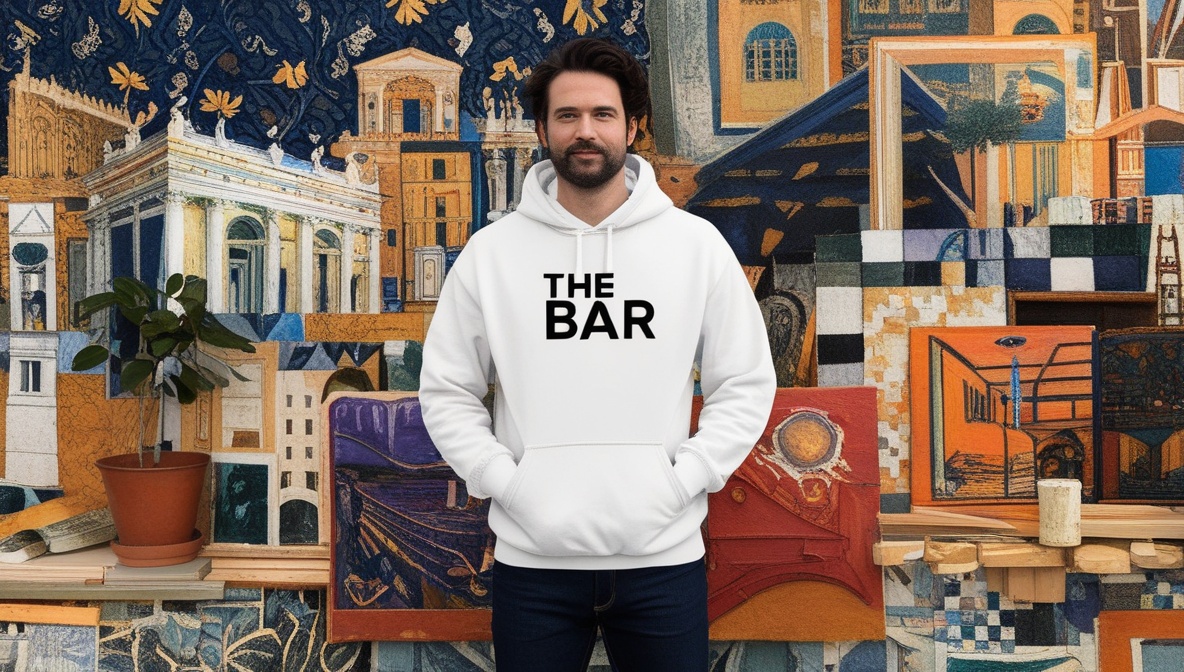
There’s this sweatshirt. It’s soft, it’s oversized, it comes in like twelve dreamy neutral colors, and across the chest it just says one thing: “The Bar.” That’s it. No little logo. No tagline. Just two words.
And somehow that two-word sweatshirt turned into one of the biggest “what does this even mean” conversations on TikTok in the last couple years. People are out here filming green-screen videos demanding answers. Lawyers are wearing it to take the actual bar exam as a joke. Brides are getting “Bride to Be” versions for their bachelorette weekends. It’s everywhere.
So let’s actually sit down and figure out what’s going on here — where it came from, why it blew up, who’s really behind it, and why something this simple managed to become this confusing.
Key Facts About The Bar Sweatshirt
| What | The Details |
| Brand name | The Bar |
| Founded | 2020 |
| Founder/Creative Director | Bridget Bahl |
| Bridget’s background | Sources disagree — some say a former Yves Saint Laurent publicist turned influencer, others say a nurse turned style creator |
| Signature item | The Bar Sweatshirt — oversized crewneck with “The Bar” printed across the front |
| Other products | Varsity sweatshirt, matching pants, dresses, sweat sets, reversible styles |
| Where it’s sold | Direct through thebar.com, via limited drops |
| Price range | Described as “affordable luxury” — premium basics pricing, not designer-tier |
| Where it’s made | Designed and produced in NYC, according to brand messaging |
| Why “The Bar” | Likely wordplay on “meet me at the bar” and “raising the bar,” but never officially explained by the brand |
| How it spreads | Influencer seeding — sending free sweatshirts to creators with big followings |
| Notable controversy | Reports of a trademark dispute/lawsuit involving brand ownership |
| Founder’s personal story | Bridget Bahl has publicly shared a breast cancer diagnosis and recovery journey while running the brand |
| Cultural status | Became a recurring TikTok “mystery brand” trend, discussed almost as much as worn |
So Wait, What Actually Is “The Bar”?
Let’s start simple. The Bar is a small clothing label that launched in 2020. The whole brand is built around comfortable basics — sweatshirts, joggers, dresses — done in a quiet, neutral color palette. Beige. Mocha. Charcoal. Soft pastels. Nothing loud.
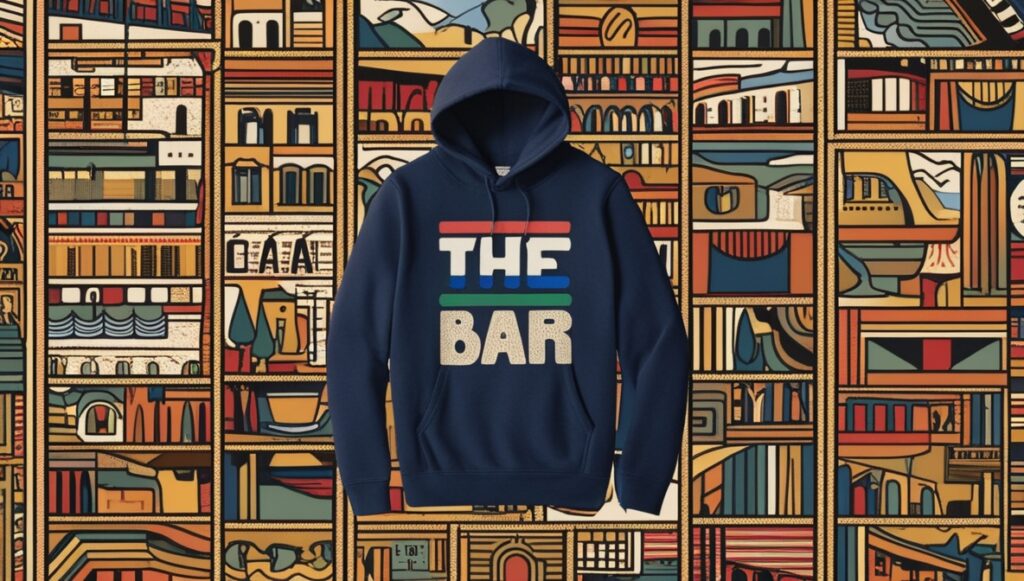
The flagship piece, the one everyone talks about, is just a relaxed crewneck sweatshirt with “The Bar” written across the chest in plain block letters. No logo animal, no slogan, no explanation.
And that’s honestly the whole product. It’s not complicated. What’s complicated is everything that happened around it.
See also ”Tenants in Common: What It Really Means to Own Something Together”
The Woman Behind It: Bridget Bahl
Here’s where things get a little tangled, and I want to be upfront with you about that instead of pretending it’s all neat and tidy.
Different sources describe Bridget Bahl’s background completely differently. One write-up calls her a nurse who became a style influencer. Another calls her a former publicist for Yves Saint Laurent who pivoted into fashion blogging. Those are two very different careers, and I genuinely couldn’t find one solid, agreed-upon answer for which is true — or maybe both are true at different points in her life. I’d rather tell you that honestly than pretend there’s a clean origin story when there isn’t one yet that everyone agrees on.
What does seem consistent: she built a large personal following first, then used that audience to launch a clothing brand. She’s described as having well over a hundred thousand followers, known for her style, her home, and her travel content. The Bar grew out of that platform rather than the other way around.
Why Did It Catch On So Fast?
A few things lined up at once, and honestly, none of them are magic. It’s just smart, simple stuff done well.
First, the product genuinely feels good. People who own one consistently say it holds its shape, doesn’t fade, and gets softer instead of falling apart. That word-of-mouth quality matters more than any ad campaign.
Second, the brand leaned hard on sending sweatshirts to other influencers for free. You see one stylish person wearing it, then five more, then it’s just everywhere on your feed. That’s not an accident — that’s a deliberate strategy, and it worked exactly the way it’s supposed to.
Third — and this is the part I find genuinely interesting — nobody quite knows what “The Bar” means. And instead of that being a flaw, it became the whole hook.
The Mystery Is the Marketing
I want to slow down on this part because I think it’s actually the most fascinating piece of the whole story.
Go searching online and you’ll find dozens of videos with titles like “the mystery behind The Bar” or “unveiling the meaning behind The Bar sweatshirt.” People are sincerely asking: is this about a literal bar, like a pub? Does “passing the bar exam” play a role?Is it about setting a personal standard, like “raise the bar”? Is it tied to Stanley cups somehow, since one creator brought that up out of nowhere?
Nobody has a confirmed answer straight from the brand. The closest thing to an explanation floating around is that it’s wordplay on phrases like “meet me at the bar” — leaning into a friendly, social, girls’-night kind of vibe — while staying loose enough that everyone gets to layer their own meaning onto it.
And honestly? That ambiguity is brilliant, whether it was planned that way from day one or whether the brand just leaned into it once people started asking. A sweatshirt that means something different to everyone wearing it creates way more conversation than a sweatshirt that spells out exactly what it’s about. Lawyers wear it as a joke about passing their actual bar exam. Brides wear a “Bride to Be” version for their wedding weekend. Gym people wear it as a nod to setting a new personal bar. Nobody’s wrong, which means everybody feels like they’re in on something.
A Quiet Design Philosophy Hiding Under All That Hype
Setting the mystery aside for a second, there’s a real design idea underneath this sweatshirt, and it’s worth giving credit for.
The brand’s whole pitch is built around clothes that move with your actual life. Not a “going out” outfit and a separate “running errands” outfit and a separate “airport” outfit. One sweatshirt that can do brunch, then errands, then a flight, without you needing to change in between.
That’s not a wild new idea in fashion — plenty of brands chase the “elevated basics” lane. But there’s something honest about naming the actual goal out loud instead of hiding behind vague marketing language. People are tired. They don’t want fifteen different outfits for fifteen different moods. They want one soft, well-made thing they can wear almost anywhere and not think twice about it.
The fit reflects that intention too. It’s described as oversized but structured — sharper at the neckline, sleeves that drop naturally at the shoulder instead of just being a baggy sack. That’s a small detail, but it’s the difference between “comfortable” and “comfortable but still looks put together,” which is genuinely a hard balance to nail.
The Varsity Version and the Growing Lineup
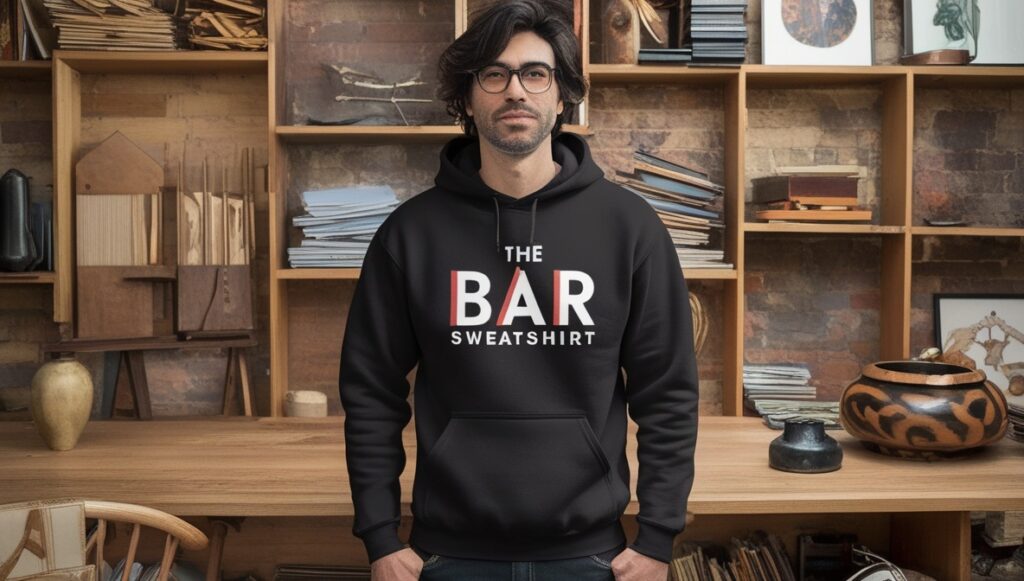
Once the original sweatshirt took off, the brand didn’t just sit still. They built out a varsity-style version with bigger, bolder, more vintage-looking lettering — giving it a college-throwback energy but keeping that same relaxed, oversized shape underneath.
From there it expanded into matching pants made from the same fabric, dresses in the same neutral tones, and reversible sweatshirts that let you basically own two colors in one piece. There’s even a clear “two-for-one” framing some creators use, joking about the math of getting double the wear out of a single purchase.
This matters because it shows the brand isn’t trying to just ride one viral hoodie forever. They’re building an actual wardrobe system around it — same fabric, same palette, same vibe, just more pieces to mix in.
Real Voices: What People Are Actually Saying
I spent a good while just reading what regular people — not press releases — were saying about this thing, and a few patterns showed up again and again.
A lot of people admit the sizing confused them at first. The oversized fit isn’t always intuitive, and more than one person mentioned wishing they’d sized down or up before ordering.
A surprising number of people brought up how fast drops sell out. People talk about marking restock dates on their calendars like it’s a concert ticket release, which says a lot about how scarce these things feel even though it’s “just a sweatshirt.”
And there’s a recurring theme of people buying it specifically because of the inside joke quality — wearing it like a little secret handshake with anyone else who recognizes it. One person literally wore it the day they took their actual bar exam, just for the pun. That’s the kind of thing you can’t manufacture with a regular ad campaign. That only happens when a product becomes a genuine cultural reference point.
The Harder Part: Bridget’s Health Journey
Here’s where the story gets a lot less about marketing and a lot more about being human.
Partway through running the brand, Bridget Bahl shared publicly that she was diagnosed with breast cancer. She didn’t hide this from her audience — she talked openly about chemotherapy, about “chemo brain” making her forgetful and impulsive (she’s joked candidly about accidentally ordering boxes of her own brand’s products during treatment), and about the emotional rollercoaster of trying to feel normal while her body was going through something genuinely hard.
She later shared what she described as beating the disease, marking the moment in a pink version of her own sweat set — turning a deeply personal health milestone into something her community could celebrate alongside her.
I think this part deserves real respect, separate from anything about marketing strategy or brand mystery. A small business owner kept showing up, kept communicating with her audience, and used her own platform to remind people to do their self-exams. That’s a genuinely good use of an influencer following, whatever you think about the sweatshirt itself.
The Messier Side: Ownership Questions and a Lawsuit
Not everything about The Bar’s story is warm and fuzzy, and a responsible look at this brand has to mention the rockier parts too.
Multiple sources reference some kind of dispute over who actually owns or controls the brand — language pointing toward a co-founder situation, licensing questions, and reportedly even legal action at some point. The specific details are genuinely murky in what’s publicly available, and I don’t want to state anything more definite than that, because the actual court documents and resolution aren’t clearly laid out anywhere reliable that I found.
What I can tell you honestly: there’s enough chatter, enough “what’s really going on with Bridget and The Bar” content, that something beyond simple brand-building has clearly happened behind the scenes. If you’re a fan of the brand, it’s worth knowing that the friendly, wholesome surface isn’t the whole picture — like most businesses, there’s more complexity under the hood than a sweatshirt ad will ever show you.
Common Misunderstandings Worth Clearing Up
A few mix-ups keep popping up, so let’s untangle them quickly.
Some people assume “The Bar” is connected to a specific celebrity, since names like Alix Earle get tagged constantly in posts about it. Alix Earle is a popular influencer who has worn and promoted the sweatshirt, but she didn’t create it — that credit goes to Bridget Bahl.
Other people assume the name has one secret, locked-in meaning that the brand is hiding from everyone. Based on what’s actually out there, it seems much more likely that the ambiguity is the point, not a secret waiting to be cracked.
And some assume this is a massive corporate fashion label. It’s actually a relatively small, influencer-grown brand that built its following almost entirely through social media and word of mouth, not big retail partnerships or traditional advertising.
What This Tiny Sweatshirt Says About Fashion Right Now
Stepping back a bit, I think this whole phenomenon says something true about how trends move today.
We’ve shifted away from loud logos and obvious branding. People want pieces that feel personal, a little coded, a little “you had to be there” — and a two-word sweatshirt with no clear explanation fits that mood perfectly. It rewards curiosity instead of demanding attention.
It also shows how much power a single creator with a loyal following now has. Bridget Bahl didn’t need a big retail deal or a magazine feature to build something people line up for. She needed comfortable clothes, a consistent aesthetic, and an audience that trusted her taste.
Final Words
Here’s where I land on all this, for what it’s worth.
I think the sweatshirt itself is genuinely well thought out — the fit, the fabric, the color choices all sound like someone who actually wears clothes every day and got tired of things that didn’t hold up. That part feels earned.
The “mystery” marketing is clever, maybe a little overplayed by this point, but it’s not dishonest exactly — it’s just letting people fill in blanks, which people clearly enjoy doing. I don’t think there’s some hidden dark meaning nobody’s found. I think two words on a sweatshirt just became a really good excuse for community and inside jokes, and that’s a perfectly fine thing for a piece of clothing to be.
Where I’d encourage a little caution: don’t assume every glowing post about it is purely organic enthusiasm. A lot of this buzz is influencer seeding, which is a totally normal marketing tactic — but it’s still marketing, even when it’s wrapped in a “girl’s girl community” feeling. Knowing that doesn’t ruin the sweatshirt. It just helps you see the whole picture clearly before you hit “add to cart” during a drop.
FAQs
1. What does “The Bar” on the sweatshirt actually mean?
There’s no single confirmed meaning from the brand itself. The most common explanation is that it’s wordplay on phrases like “meet me at the bar” and “raise the bar,” left intentionally open so people can interpret it their own way.
2. Who created The Bar sweatshirt?
Bridget Bahl, an influencer and content creator, founded the brand in 2020 and serves as its creative director.
3. Is The Bar connected to Alix Earle?
No. Alix Earle is a popular influencer who has worn and promoted the sweatshirt, but she did not create the brand. Some sellers and resellers even nickname the item “the Alix Earle sweatshirt” because of how visibly she’s worn it.
4. Where can I buy The Bar sweatshirt?
It’s sold directly through the brand’s own website during scheduled drops, rather than through wide retail distribution.
5. Why does it sell out so fast?
The brand releases limited quantities per drop, and heavy promotion through influencers creates a rush of demand right at launch, which tends to clear out stock quickly.
6. Is the sizing true to size?
Several wearers mention being surprised by the oversized fit and recommend checking the brand’s specific size guide before ordering rather than assuming your usual size.
7. What is the sweatshirt made of?
It’s generally described as a sturdy cotton blend, comfortable enough for everyday wear across seasons.
8. Is there a varsity version?
Yes. The Bar Varsity Sweatshirt features bolder, vintage-style block lettering with a sportier feel, while keeping the same relaxed, oversized cut.
9. Does the brand sell anything besides sweatshirts?
Yes. The lineup has grown to include matching joggers, dresses, sweat sets, and reversible sweatshirts in the same color families.
10. Is The Bar an expensive luxury brand?
It’s generally positioned as “accessible luxury” or premium basics — priced higher than fast fashion, but not at true designer pricing.
11. Was there really a lawsuit involving the brand?
Multiple sources reference some kind of dispute over ownership or control of the brand, though the full details aren’t clearly documented in reliable, publicly available sources.
12. Is Bridget Bahl a nurse or a former publicist?
Sources genuinely disagree on this point. Some describe her as a nurse turned influencer; others describe her as a former Yves Saint Laurent publicist turned fashion blogger. No single source resolves which background is accurate.
13. Did the founder really have breast cancer?
Yes. Bridget Bahl has spoken publicly and consistently about her breast cancer diagnosis, her chemotherapy experience, and eventually sharing her recovery with her audience.
14. Why do lawyers specifically wear this sweatshirt?
Because of the obvious pun — wearing a sweatshirt that says “The Bar” while literally taking the bar exam has become a popular, lighthearted inside joke among law students and new attorneys.
15. Is the hype around this sweatshirt mostly genuine or mostly marketing?
Honestly, it’s both. The product itself gets consistently positive feedback for quality and comfort, but a large share of its visibility comes from deliberate influencer seeding rather than purely spontaneous organic buzz.
See more, Know more, Understand more with Trend Explorer.